ARTICLES
Emergency dental treatment coverage with Canada’s federal CDCP plan
Emergency dental treatment coverage with Canada’s federal CDCP plan
Emergency dental treatment coverage with Canada’s federal CDCP plan
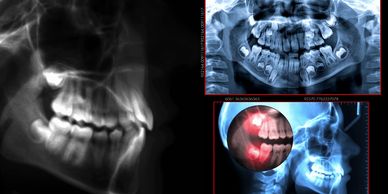
Dental emergencies leave little room for delay, yet financial uncertainty still prevents many Canadians from seeking immediate treatment. Expanded access through the Canadian Dental Care Plan has the potential to ease that pressure for uninsured, income-eligible households, particularly in urgent situations where waiting can narrow treatment options and worsen outcomes. In that sense, broader federal coverage supports not only affordability, but also faster intervention when timely dental care matters most.
Canadian dental care plan: why checking your eligibility matters
Emergency dental treatment coverage with Canada’s federal CDCP plan
Emergency dental treatment coverage with Canada’s federal CDCP plan

Eligibility under the Canadian Dental Care Plan can make a meaningful difference for patients who have been postponing needed treatment because of cost. With coverage potentially extending to services such as exams, cleanings, fillings, extractions, crowns, and denture-related care, the program can reduce out-of-pocket expenses and make routine or restorative care more manageable. For many patients, that shift can turn delayed dental needs into treatment that finally feels within reach.
The future of dental care: trends to watch in the coming years
Emergency dental treatment coverage with Canada’s federal CDCP plan
The future of dental care: trends to watch in the coming years

Precision, speed, and patient comfort are becoming increasingly central to how dental care is delivered. A set of technologies and practice changes already influencing the field, ranging from AI-assisted diagnostics and teledentistry to digital impressions, 3D printing, laser treatments, regenerative approaches, smart oral care devices, and more sustainable clinic operations, linking each trend to a broader movement toward more efficient, personalized, and less invasive care.
ARTICLES
Top dental trends: what’s worth the hype and what to skip?
Oral hygiene myths: Think brushing alone is enough? Here's why your mouth health is at risk
More than half of Canadians skipping health care such as dental, survey suggests

Social media has turned oral health into a stream of hacks, upgrades, and cosmetic fixes, but not every trend deserves the same level of enthusiasm. Rather than endorsing novelty for its own sake, this piece sorts through popular dental trends by separating tools and treatments with practical value from those driven more by visibility than evidence.
More than half of Canadians skipping health care such as dental, survey suggests
Oral hygiene myths: Think brushing alone is enough? Here's why your mouth health is at risk
More than half of Canadians skipping health care such as dental, survey suggests
As the Canadian Dental Care Plan expands this week to include all eligible age groups, 35 per cent of Canadians report they've skipped or reduced dental visits, a new survey suggests. Dental care was the most commonly delayed health service, according to the survey released Tuesday.
Oral hygiene myths: Think brushing alone is enough? Here's why your mouth health is at risk
Oral hygiene myths: Think brushing alone is enough? Here's why your mouth health is at risk
Oral hygiene myths: Think brushing alone is enough? Here's why your mouth health is at risk
If you’re dealing with persistent bad breath and sore gums, these issues might be signaling underlying oral health problems. It’s time to clear up some common myths about oral hygiene and get to the truth.
Canada’s first-ever national oral health survey
The surprising connection between oral health and general wellness
Oral hygiene myths: Think brushing alone is enough? Here's why your mouth health is at risk
Preliminary results of the Canadian Oral Health Survey (COHS), released August 27, highlight disparities in insurance coverage and indicate dental visits have almost returned to pre-pandemic levels.
The New Canadian Dental Plan
The surprising connection between oral health and general wellness
The surprising connection between oral health and general wellness
The recent development in the dental care program of the Canadian government seeks to improve the dental health service delivery to Canadians. The article gives readers insights on the Canadian dental plan as well as its general characteristics, advantages, and prospects for the population, primarily seniors in Quebec.
The surprising connection between oral health and general wellness
The surprising connection between oral health and general wellness
The surprising connection between oral health and general wellness
Toronto dentist Dr. Amanda Morel understands the direct connection between good oral hygiene and overall health and wellness. "Sometimes we're dealing with patients that have never been really taught how to brush their teeth, how to use floss or anything like that, so inevitably, the bacterial load in their mouth is going to be very high," she said.
Dentist reveals the 3 times you should not brush your teeth
Dentists, hygienists unsure how national dental care plan will work
Dentist reveals the 3 times you should not brush your teeth
The viral TikTok video featuring Dr. Shaadi Manouchehri, a dentist from Smart Dental Aesthetics and the London School of Facial Esthetics, has sparked a discussion about when it's appropriate to skip brushing your teeth. Dr. Manouchehri advises against brushing immediately after vomiting, eating breakfast, or consuming sweets due to the high acidity levels in the mouth during these times.
11 Dental Care Tips to Boost Brain Health
Dentists, hygienists unsure how national dental care plan will work
Dentist reveals the 3 times you should not brush your teeth
Growing evidence links poor oral health to a higher risk of Alzheimer’s disease and other dementias. Keep your mouth healthy with these tips from June Sadowsky, DDS, professor at UTHealth School of Dentistry in Houston.
Dentists, hygienists unsure how national dental care plan will work
Dentists, hygienists unsure how national dental care plan will work
Dentists, hygienists unsure how national dental care plan will work
By 2025, Canada's national plan will provide dental care to all low- and middle-income Canadians, a program dentists and public health-care experts have advocated decades for. Weeks ago, the federal government announced that seniors would be the next to qualify for the program, starting in May.
6 Essential Dental Tips for the New Year 2024
What you need to know before applying for the new Canadian Dental Care Plan
Dentists, hygienists unsure how national dental care plan will work
By prioritizing routine dental visits in 2024, you’ll be taking a proactive approach to your oral health. Dentists in Twin Falls are committed to providing personalized care, making these appointments an opportunity to discuss any concerns or changes in your dental health.
What you need to know before applying for the new Canadian Dental Care Plan
What you need to know before applying for the new Canadian Dental Care Plan
What you need to know before applying for the new Canadian Dental Care Plan
While the first iteration of this program was only offered to children, as officials worked behind the scenes to set up the full-fledged national dental care plan, this new insurance program will be accessible for up to nine million low-income uninsured Canadians of all ages once completely up and running in 2025, the government estimates.
Federal dental insurance plan details unveiled
What you need to know before applying for the new Canadian Dental Care Plan
What you need to know before applying for the new Canadian Dental Care Plan
The federal government unveiled rollout details of its long-awaited Canadian Dental Care Plan on Monday, giving a leg up for low and middle-income residents without private insurance. The plan, known as the CDCP, was born out of the Liberals’ supply-and-confidence deal with the NDP in 2022, and it offers dental care benefits directly to Canadian residents who are uninsured with a household income under $90,000.